

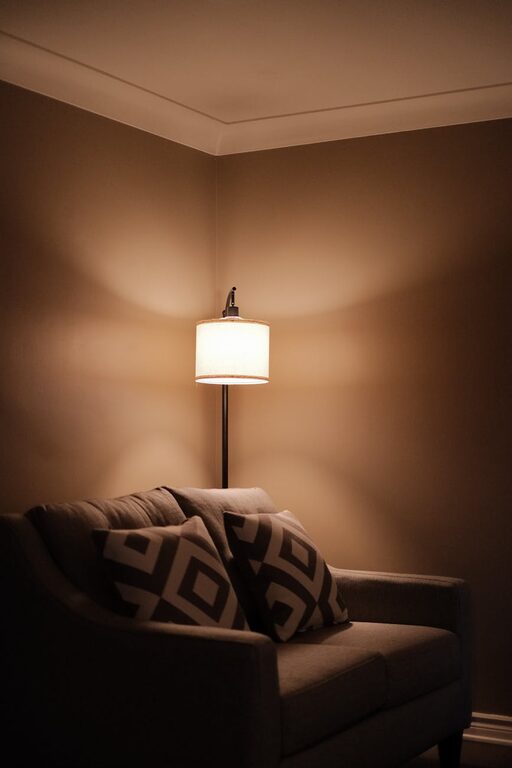
Creating a cosy and inviting living space is a wonderful way to make your home feel like a sanctuary—a place where you can relax, unwind, and enjoy time with loved ones. Whether you have a spacious lounge or a small sitting area, a few thoughtful steps can make all the difference in setting the right mood and atmosphere. In this post, we’ll explore simple yet effective tips to help you design a living room that feels warm, comfortable, and welcoming.
Why a Cosy Living Space Matters
Your living space is often the heart of your home. It’s where you gather with family, entertain friends, or simply enjoy some quiet moments. A cosy atmosphere encourages relaxation and creates a sense of belonging, helping to reduce stress and boost your overall wellbeing.
Key Elements for a Cosy Living Space
To make your living room feel inviting, focus on some core elements: lighting, colours, textures, furniture arrangement, and personal touches. Let’s dive into each area in more detail.
1. Maximise Warm and Layered Lighting
Lighting sets the tone for any room, and for a cosy space, it should be soft and welcoming.
– Use multiple light sources: Combine ceiling lights, table lamps, floor lamps, and candles. This layering lets you adjust the ambience depending on the time of day or your mood.
– Choose warm bulbs: Opt for bulbs with a warm colour temperature (around 2700K) to create a gentle glow rather than harsh white light.
– Dimmer switches: Installing dimmers gives you control over brightness, which is perfect for creating a snug atmosphere in the evenings.
2. Select Soothing Colours
Colours have the power to influence our emotions. For a cosy living room, softer, muted shades tend to work best.
– Neutral tones: Shades like cream, taupe, soft grey, and warm whites provide a calm backdrop and work well with natural light.
– Accent colours: Add pops of colour with cushions, throws, or artwork in warmer hues such as terracotta, mustard, burnt orange, or gentle greens. These can make the space feel more inviting.
– Avoid overly bright or cold colours: Bright reds or stark whites can sometimes feel too stimulating or clinical.
3. Embrace Textures and Layers
Texture plays a vital role in making a space feel tactile and lived-in.
– Soft fabrics: Think plush cushions, knitted throws, velvet curtains, or wool rugs to add warmth and comfort.
– Mix materials: Combine natural elements like wood, stone, and woven baskets with soft textiles to create visual interest.
– Layer up: Don’t be shy to layer rugs over carpet, stack cushions on sofas, or place blankets over chairs. These layers invite you to curl up and relax.
4. Arrange Furniture for Comfort and Conversation
How you lay out your furniture affects both the flow and feel of the room.
– Create intimate seating areas: Arrange sofas and chairs so people can easily talk without raising their voices. A U-shape or circular layout often works well.
– Keep walkways clear: While cosy corners are great, ensure there is enough space to move comfortably around the room.
– Add multifunctional furniture: Ottomans or pouffes can double as footrests, extra seating, or storage, making your space practical as well as comfy.
5. Incorporate Natural Elements
Bringing elements of nature indoors can enhance calm and cosiness.
– Houseplants: Live plants purify the air and add a fresh, vibrant feel. Choose low-maintenance varieties if you’re not confident in your gardening skills.
– Natural materials: Wood furniture, stone accessories, or woven baskets help to bring warmth and texture.
– Fresh flowers or seasonal foliage: These add colour and life, making the space feel cared for and homely.
6. Personalise Your Space
Incorporating personal touches makes your home truly yours and invites guests to feel at ease.
– Display cherished items: Photos, souvenirs, and favourite books reflect your personality and create conversation starters.
– Artwork: Choose pieces that resonate with you, whether prints, paintings or craft pieces. Art adds interest and character.
– Scent: Use subtle scents with essential oil diffusers or scented candles to make your room smell inviting without overpowering.
7. Keep It Tidy but Lived In
A clutter-free environment promotes relaxation but don’t aim for sterile perfection.
– Smart storage: Use baskets, shelves, and boxes to keep things organised yet accessible.
– Everyday comfort: Keep blankets and cushions ready for use. This subtle invitation to snuggle enhances the cosy vibe.
– Rotate décor seasonally: Swapping out accessories every few months keeps your space feeling fresh and welcoming throughout the year.
Final Thoughts
Crafting a cosy and inviting living space doesn’t require a complete makeover or expensive purchases. By focusing on warm lighting, soothing colours, varied textures, comfortable furniture arrangements, natural elements, and personalised touches, you can create a room that feels like a true sanctuary. Remember, the best living space is one where you feel comfortable and welcome to relax.
Take your time experimenting with these tips, and enjoy the process of turning your living room into a cosy haven perfect for everyday living and special moments.