

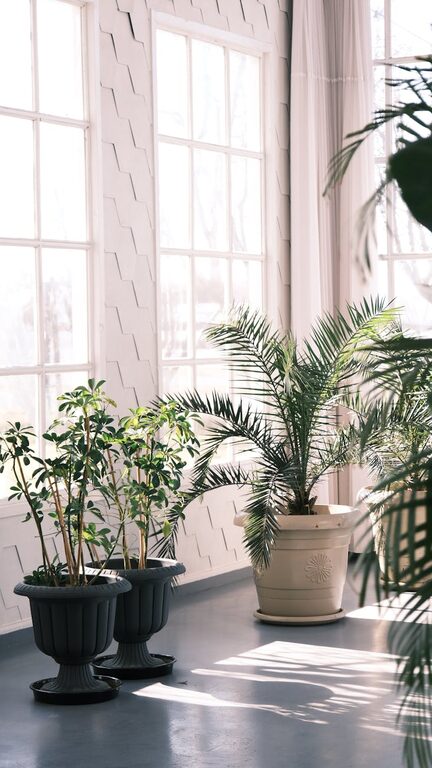
Creating a relaxing home environment can significantly improve your overall well-being. After a busy day, coming back to a calm, comfortable space provides a much-needed sanctuary where you can rest, recharge, and reconnect with yourself. Fortunately, you don’t need to make drastic changes or spend a fortune to achieve this. Simple adjustments to your living space and routine can promote a peaceful atmosphere and enhance your mental and physical health.
In this post, we’ll explore practical, easy ways to create a soothing home environment that supports better well-being.
Why a Relaxing Home Matters
Our surroundings have a profound impact on how we feel. A cluttered, noisy, or chaotic space can increase stress and hinder relaxation. Conversely, a tidy and tranquil home encourages restfulness and mindfulness. When your living environment promotes calm, you are more likely to experience reduced anxiety, improved sleep, and greater happiness.
Declutter and Simplify
One of the quickest ways to make your home feel more relaxing is to reduce clutter. Excess items can overwhelm the senses and create visual chaos.
– Start small: Focus on one area at a time, like a desk, a shelf, or a single room.
– Keep essentials only: Ask yourself if each item is useful or brings you joy. If not, consider donating or disposing of it.
– Organise storage: Use baskets, boxes, or shelves to neatly store items out of sight.
A simplified, uncluttered home instantly feels more serene.
Use Calming Colours and Lighting
Colour and light play big roles in setting the mood of your space.
– Choose soft, neutral tones like pale blues, greens, beiges, or greys for walls and furnishings. These shades encourage relaxation without overstimulation.
– Incorporate natural light where possible. Open curtains fully during the day to let sunshine in.
– Add warm, adjustable lighting such as lamps or dimmer switches, so you can control brightness and create a cosy atmosphere in the evenings.
– Avoid harsh fluorescent or overly bright light sources that might feel draining.
Bring Nature Indoors
Natural elements have a known calming effect and help improve air quality.
– Add houseplants: Easy-care plants like spider plants, snake plants, or peace lilies brighten rooms and boost oxygen levels.
– Use natural materials in your décor, such as wooden furniture, cotton throws, or stone accessories.
– Display flowers to add colour and fresh scents.
Even a few plants can make your space feel more alive and soothing.
Create a Comfortable Seating Area
Having a dedicated spot to unwind makes it easier to relax.
– Choose a favourite chair or sofa with soft cushions and a cosy throw.
– Arrange the seating to face a window, so you can enjoy views or natural light.
– Keep blankets nearby for warmth and comfort during chillier days.
– Consider adding a small side table for books, tea, or scented candles.
This little nook becomes your personal relaxation zone.
Use Soothing Sounds
Sound influences mood and can help drown out distracting noise.
– Play gentle music such as classical, acoustic, or nature sounds like rain or ocean waves.
– Use white noise machines or apps to block disruptive sounds if you live in a noisy area.
– Keep volume low and consistent rather than loud or abrupt noises.
Soothing background sounds create a peaceful ambiance encouraging calm and focus.
Incorporate Pleasant Aromas
Certain scents are linked with relaxation and stress relief.
– Use essential oil diffusers with relaxing oils like lavender, chamomile, or bergamot.
– Light scented candles or incense, ensuring good ventilation.
– Consider freshly washed linens or natural potpourri.
Pleasant smells can help reduce tension and enhance your sense of well-being.
Maintain a Comfortable Temperature
Physical comfort plays a key role in relaxation.
– Keep your home at a moderate temperature, ideally between 18–22°C.
– Use fans, heaters, or air conditioning as needed to maintain comfort.
– Choose soft, breathable textiles for bedding and upholstery.
When you’re physically comfortable, your body can more easily relax.
Establish Daily Relaxation Rituals
Your home environment supports relaxation best when coupled with mindful habits.
– Set aside time each day to sit quietly, meditate, or read.
– Limit screen time in the evenings to promote better sleep.
– Make a habit of tidying for a few minutes daily to keep clutter at bay.
– Practice deep breathing or gentle stretching in your relaxation area.
Creating consistent routines helps you enjoy and maintain a calming home space.
Final Thoughts
A relaxing home environment doesn’t require luxury upgrades or major redecorations. Small, thoughtful changes to your space and daily habits can transform your home into a peaceful retreat. Decluttering, soft lighting, natural touches, comfortable seating, gentle sounds, pleasant aromas, and temperature control all contribute to a calming atmosphere that nurtures your well-being.
Give yourself the gift of a home that supports rest and rejuvenation. With these simple tips, you can enjoy greater relaxation and improved quality of life every day.