

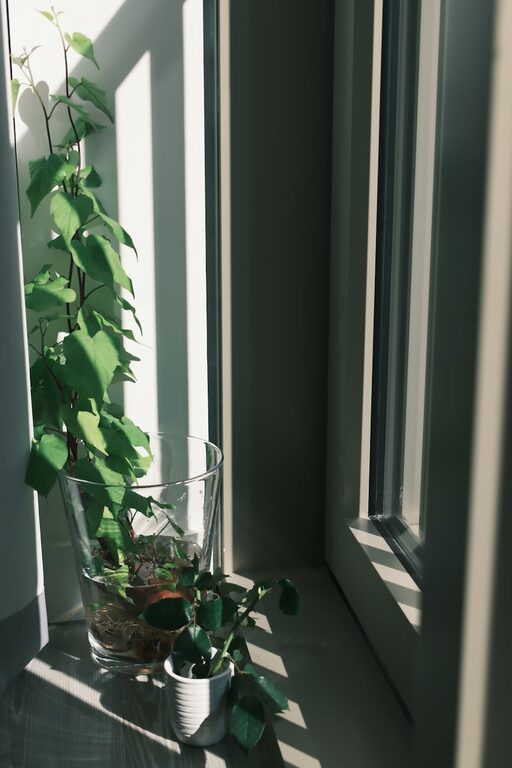
Creating a relaxing home environment is essential for unwinding after a busy day. Two natural elements that can greatly enhance the feeling of calm in your living space are plants and natural light. Both bring freshness, vibrancy, and a soothing atmosphere, making your home feel more welcoming and peaceful.
In this post, we’ll explore practical tips to help you incorporate plants and natural light into your home with ease, turning any room into a tranquil haven.
Why Use Plants and Natural Light?
Plants not only add beauty but also improve air quality, reduce stress, and increase productivity. Natural light helps regulate our circadian rhythm, uplifting mood and boosting energy. Together, they create a balanced environment that promotes wellbeing.
Choosing the Right Plants for Your Space
When selecting plants, consider your home’s light levels, maintenance preferences, and the look you want to achieve.
Low-Maintenance Options
If you’re new to plant care or have a busy schedule, these resilient plants are excellent choices:
– Snake Plant (Sansevieria): Tolerates low light and infrequent watering.
– ZZ Plant (Zamioculcas zamiifolia): Thrives in low to medium light and requires little water.
– Pothos: Grows well in various light conditions and is easy to propagate.
Bright Spaces
For rooms with lots of natural light, you can choose plants that enjoy sunlight:
– Fiddle Leaf Fig: A popular statement plant that needs bright, indirect light.
– Succulents and Cacti: Require plenty of sunshine and minimal watering.
– Spider Plant: Does well in bright light and helps purify the air.
Positioning Plants to Maximise Calm
Where you place plants affects how they impact the room’s ambiance.
– Entryway: A welcoming green plant near your front door sets a positive tone.
– Living Room: Group several plants of varying heights for a lush, natural look.
– Bedroom: Small plants like lavender or aloe vera can support relaxation and better sleep.
– Workspace: Plants can reduce stress and improve concentration; try keeping one or two on your desk.
Remember to avoid overcrowding; space between plants allows each one to breathe and flourish.
Enhancing Your Home with Natural Light
Making the most of natural light can brighten your mood and your interior design.
Maximise Window Space
– Keep windows clean to allow in as much light as possible.
– Use light, sheer curtains to soften sunlight without blocking it.
– Avoid placing large furniture in front of windows.
Reflect Light with Mirrors
Strategically position mirrors opposite windows to bounce natural light around the room, making spaces feel brighter and larger.
Choose the Right Colours
Light, neutral wall colours such as soft whites, creams, or pale greys reflect daylight better and create an airy, peaceful atmosphere.
Combining Plants and Natural Light for Best Effect
– Place sun-loving plants near windows where they receive ample light.
– Use plants that tolerate low light in shaded corners or rooms without large windows.
– Consider hanging planters close to light sources to add greenery without sacrificing floor space.
– Rotate plants periodically to ensure even light exposure and healthy growth.
Additional Tips for a Relaxing Home Environment
– Use Natural Materials: Incorporate wood, wicker, and cotton fabrics to complement your plants and natural light.
– Add Water Features: A small indoor fountain or water bowl can enhance tranquillity with gentle sound.
– Control Lighting Levels: Use dimmable lights in the evening to mimic natural changes and help prepare your body for rest.
Conclusion
By thoughtfully combining plants and natural light, you can create a calm, inviting home that nurtures both body and mind. Start small—perhaps with a favourite plant near a sunny window—and gradually build your relaxing space one green leaf at a time. Your home will become a refreshing sanctuary where you can recharge and enjoy everyday moments in peace.